Maximizing Performance and Service Life Through Advanced Heat Control in LED Panel Assemblies
Wiki Article
Light Emitting Diode wall screens remain progressively widely used in diverse industries, including marketing, media, and also residential aesthetics. Such panels offer bright, lively displays that can attract interest and enhance visual experiences. Still, one critical factor of preserving their effectiveness and longevity is proper temperature dissipation. When luminescent units operate, they produce temperature rise. If this thermal load is not handled appropriately, it can lead to diminished luminance, chromatic accuracy, and potentially a limited operational life for the panels. Consequently, knowing how to properly dissipate thermal output is crucial for optimizing the functionality of LED panel screens.
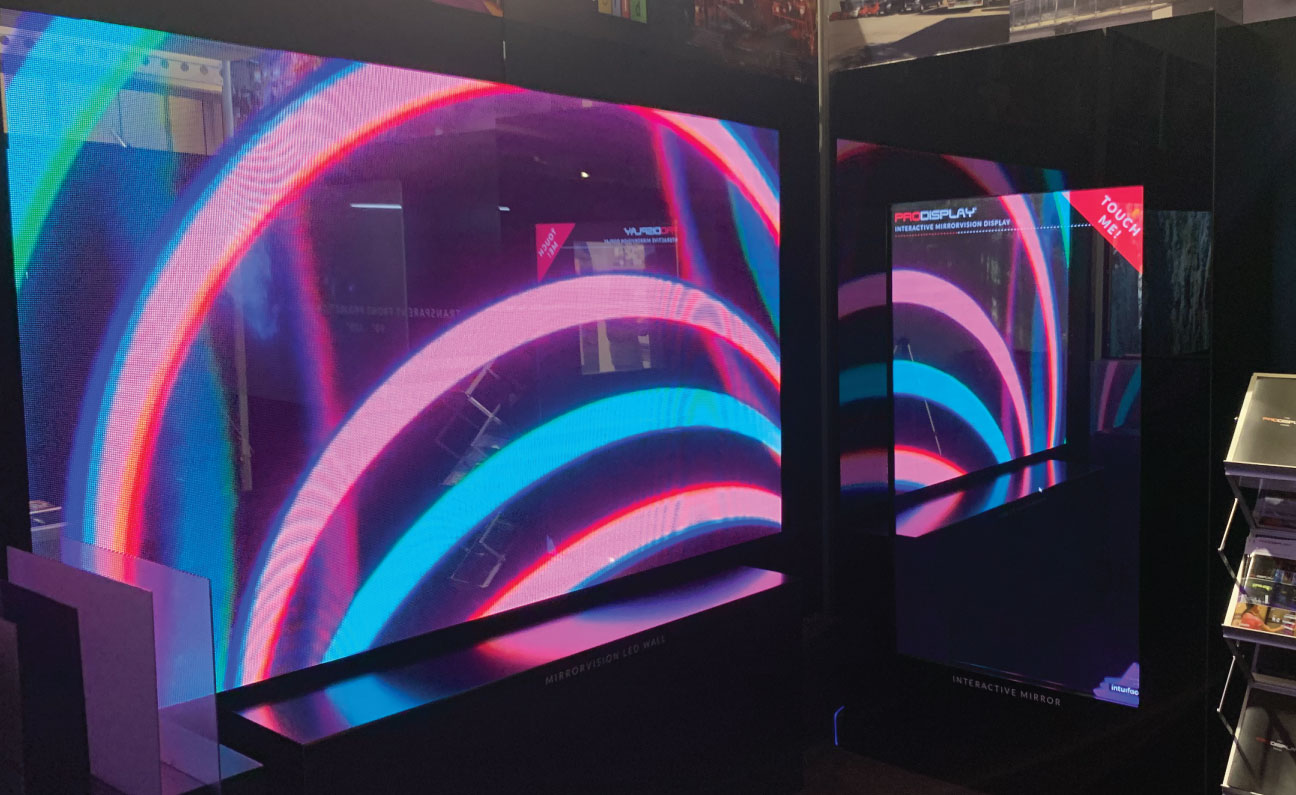
Thermal dissipation in luminescent technology describes the approaches implemented to regulate and reduce the excess heat generated during use. One common method employs compounds with strong thermal conductivity, including alloy or metal alloys. These materials can efficiently transfer thermal energy off of the light-emitting parts, keeping the working temperature inside a safe level. Additionally, the configuration of LED modules plays a important role in thermal control. Panels that integrate thermal sinks or airflow mechanisms permit heated currents to escape while pulling in cold air, additionally assisting with heat management.
Another critical consideration in effective thermal control is proper setup and arrangement of LED wall site panels. Making sure that there is ample space surrounding the panels enables better ventilation, which works to regulate them down. It is also important to refrain from placing Light Emitting Diode screens in confined areas where thermal energy can become accumulated. Instead, they should be installed in locations with adequate air circulation to facilitate optimal temperature regulation. Specialists often recommend positioning Light Emitting Diode displays not near intense sunlight or other thermal emitters to avoid excessive heat.
Consistent maintenance of LED displays is also crucial for maintaining proper temperature control. Debris and debris can accumulate on the surface of the units and within their parts with use. This collection can block airflow and hinder the unit’s capacity to dissipate heat properly. Clearing the outer areas periodically and ensuring that any internal components are free from obstruction will help preserve maximal efficiency standards. In addition, inspecting for any indicators of deterioration or defects can assist in mitigating excess heat complications before they become led display panels critical concerns.
In summary, efficient temperature control is crucial for optimizing both the functionality and lifespan of luminescent displays. By utilizing components with strong heat transfer capability, maintaining appropriate placement and placement, and conducting regular maintenance, operators can substantially elevate their luminescent results. Applying these practices not only assists in maintaining the integrity of the screens but also promotes energy efficiency and environmental responsibility in display technology. As innovations in technology move forward, emphasizing temperature dissipation will continue to be an important element of utilizing LED wall panels to their maximum capacity.